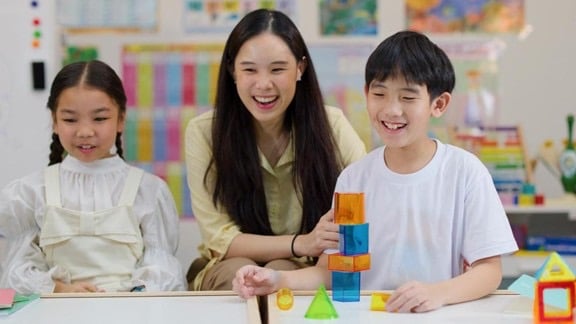
In Singapore, character education is not an assembly, a poster in a corridor, or a motto above the school gate. It is a subject. It has a national syllabus, it is timetabled during curriculum hours, and every teacher is trained to deliver it.
That tends to surprise people, because character is usually the first thing a school calls important and the first thing cut when the timetable gets tight. The assumption underneath is that time spent on values is time taken from academics: a soft priority competing with a hard one.
Singapore’s results suggest that trade-off does not exist.
Character as a timetabled subject
Singapore’s Ministry of Education rebuilt its Character and Citizenship Education syllabus in 2021 around three organising ideas: identity, relationships and choices. Rather than sitting outside the academic day, it runs through timetabled lessons, through structured student development experiences beyond the classroom, and through what the syllabus calls teachable moments inside other subjects.
The design point is that character is treated as something to be taught, sequenced and revisited as children grow, in the same way mathematics is. A seven-year-old and a fifteen-year-old are not given the same lesson on responsibility, because responsibility does not mean the same thing to them.
This matters because the alternative, hoping character emerges from a good atmosphere, is what most systems actually do, and it produces exactly the inconsistency you would expect.
The results do not support the trade-off
Since 2012, the OECD has tested one additional domain in each PISA cycle alongside reading, mathematics and science. These are the competencies that depend on how students work rather than what they have memorised. Singapore has finished first, or joint first, in every one of them.
| PISA cycle | Domain tested | Singapore’s position |
| 2012 | Creative problem solving | Joint 1st |
| 2015 | Collaborative problem solving | 1st |
| 2018 | Global competence | 1st |
| 2022 | Creative thinking | 1st |
In the 2022 creative thinking assessment, 58 per cent of Singapore’s students reached the top proficiency levels, against an OECD average of 27 per cent; 94 per cent reached at least a baseline level, against 78 per cent across the OECD. The OECD’s country note records Singapore as scoring significantly higher than every other participating system.
Collaborative problem solving is the most telling of the four. It measures whether a student can work with other people to reach an answer: listening, disagreeing usefully, giving ground when the evidence changes. That is a character measure wearing academic clothes. Singapore led the world in it while also leading in mathematics and science.
None of which proves the syllabus caused the scores. But it does make the usual objection hard to sustain: a system that gives character real curriculum time is not paying for it in results.
What it looks like in a classroom
The practical difficulty is that character education is easy to describe and hard to do. A school can print its values on a wall and change nothing about how a disagreement between two children is handled on a Tuesday afternoon.
The schools that treat it seriously tend to give it what they give any other subject: a slot on the timetable, a syllabus, and someone accountable for whether it is working.
Singapore Global International School, a Singapore-curriculum school opening in Bangkok in 2027, lists character and values education alongside humanities, the arts, physical education and digital literacy as a named strand of its primary curriculum rather than as an enrichment activity. Its co-founders include Dr Lim Lai Cheng, former principal of Raffles Institution and chair of the Singapore Positive Education Network, and Mr Ang Pow Chew, formerly of Singapore’s Ministry of Education curriculum planning division.
Whether that distinction survives contact with a real timetable is exactly the thing worth checking, rather than taking on trust.
The part that transfers, and the part that does not
The syllabus is the easiest part to copy and the least useful on its own. A document describing how children should learn about identity, relationships and choices is worth very little without teachers trained to teach it, and supported when a lesson goes badly.
Singapore’s answer to that is unusually explicit. Teacher candidates are assessed against a framework developed by the National Institute of Education known as V3SK(values, skills and knowledge), in which values are not one consideration among several but the first of three, subdivided into learner-centredness, teacher identity, and service to the profession and community.
That is the expensive part, and the part most often skipped when a system is exported. Schools outside Singapore that take the model seriously tend to apply the same test at the hiring stage rather than after: SGIS says it selects against V3SK and has teachers certified by Principals Academy, the Singapore body established by the Academy of Principals and the Economic Development Board, before they are appointed. That is a slower way to open a school and a more defensible one.
The other thing that does not transfer neatly is context. Singapore’s framework assumes a particular relationship between school, family and state. Lifting it wholesale into a different society produces something that looks similar and behaves differently.
What parents can reasonably ask
For families comparing schools, character is the hardest thing to assess on a tour, because every school will say it matters. A few questions separate the ones that mean it:
· Is there a written curriculum for it, or only a set of values? Ask to see the document.
· Who teaches it, and what training did they get? If the answer is “all our teachers, informally”, it is not being taught.
· How is it sequenced? A school that teaches the same thing at seven and fifteen has not thought about it.
· What happens when a child gets it wrong? The answer to this reveals more than any prospectus.
The wider context in Thailand gives the question some weight. Thai 15-year-olds’ PISA results fell across mathematics, reading and science in 2022, to their lowest recorded levels, and the national conversation about what schools should be doing differently is live. Character education is not the answer to that on its own. But the evidence from the system that takes it most seriously suggests it is not a distraction from the answer either.
Parents cannot know which subjects their children will need in twenty years. They can ask whether a school has thought carefully about the kind of person it is helping to build, and whether it has put that anywhere near the centre of the timetable, where the answer would actually show.
———————————————-
ทำไม “การปลูกฝังคุณลักษณะ” จึงควรเป็นหัวใจของการศึกษายุคใหม่
ในสิงคโปร์ การปลูกฝังคุณลักษณะ (Character Education) ไม่ใช่แค่กิจกรรมหน้าเสาธง โปสเตอร์บนผนัง หรือคำขวัญเหนือประตูโรงเรียน หากแต่เป็น “วิชา” อย่างเต็มตัว มีหลักสูตรระดับชาติ มีชั่วโมงเรียนอยู่ในตารางสอน และครูทุกคนต้องผ่านการฝึกอบรมเพื่อสอนวิชานี้
เรื่องนี้มักทำให้หลายคนแปลกใจ เพราะตามปกติ “คุณลักษณะ” คือสิ่งแรกที่โรงเรียนประกาศว่าสำคัญ แต่ก็เป็นสิ่งแรกที่ถูกตัดทิ้งเมื่อตารางเรียนเริ่มแน่น ด้วยสมมติฐานที่ซ่อนอยู่ว่า เวลาที่ใช้ไปกับการปลูกฝังค่านิยม คือเวลาที่ถูกดึงออกจากวิชาการ เป็นเรื่องรองที่ต้องหลีกทางให้เรื่องหลัก
แต่ผลสัมฤทธิ์ของสิงคโปร์ชี้ว่า การต้องเลือกอย่างใดอย่างหนึ่งแบบนั้นไม่มีอยู่จริง
เมื่อคุณลักษณะกลายเป็นวิชาที่มีตารางเรียน
กระทรวงศึกษาธิการสิงคโปร์ปรับปรุงหลักสูตร Character and Citizenship Education (CCE) ครั้งใหญ่ในปี 2021 โดยวางโครงสร้างไว้บนแนวคิดหลักสามเรื่อง ได้แก่ อัตลักษณ์ ความสัมพันธ์ และการเลือกตัดสินใจ วิชานี้ไม่ได้อยู่นอกเวลาเรียน หากแทรกอยู่ทั้งในคาบเรียนตามตารางสอน ในกิจกรรมพัฒนาผู้เรียนนอกห้องเรียน ที่ออกแบบไว้อย่างเป็นระบบ และในสิ่งที่หลักสูตรเรียกว่า “จังหวะสอนได้” (teachable moments) ซึ่งสอดแทรกอยู่ในวิชาอื่น
หัวใจของการออกแบบคือการปฏิบัติต่อคุณลักษณะเหมือนสิ่งที่ต้องสอน ต้องเรียงลำดับ และต้องกลับมาทบทวน ตามวัยของเด็ก เช่นเดียวกับคณิตศาสตร์ เด็กอายุเจ็ดขวบกับสิบห้าปีไม่ได้เรียนบทเรียนเรื่องความรับผิดชอบแบบเดียวกัน เพราะความรับผิดชอบมีความหมายไม่เท่ากันในแต่ละวัย
เรื่องนี้สำคัญ เพราะอีกทางเลือกหนึ่ง คือการหวังให้คุณลักษณะงอกเงยขึ้นเองจากบรรยากาศที่ดีของโรงเรียน ซึ่งเป็นสิ่งที่ระบบการศึกษาส่วนใหญ่ทำอยู่จริง และผลที่ได้ก็ไม่สม่ำเสมออย่างที่คาดเดาได้
ผลการประเมินไม่สนับสนุนแนวคิด “ต้องแลก”
ตั้งแต่ปี 2012 OECD ได้เพิ่มการประเมินด้านพิเศษหนึ่งด้านในการสอบ PISA แต่ละรอบ ควบคู่กับการอ่าน คณิตศาสตร์ และวิทยาศาสตร์ ด้านเหล่านี้วัดสมรรถนะที่ขึ้นอยู่กับวิธีทำงานของนักเรียน มากกว่าสิ่งที่ท่องจำมา และสิงคโปร์ครองอันดับหนึ่งหรือที่หนึ่งร่วมในทุกรอบ
| รอบ PISA | ด้านที่ประเมิน | อันดับของสิงคโปร์ |
| 2012 | การแก้ปัญหาเชิงสร้างสรรค์ (Creative Problem Solving) | ที่ 1 ร่วม |
| 2015 | การแก้ปัญหาแบบร่วมมือ (Collaborative Problem Solving) | ที่ 1 |
| 2018 | สมรรถนะสากล (Global Competence) | ที่ 1 |
| 2022 | ความคิดสร้างสรรค์ (Creative Thinking) | ที่ 1 |
ในการประเมินความคิดสร้างสรรค์ปี 2022 นักเรียนสิงคโปร์ 58% ทำคะแนนถึงกลุ่มความสามารถระดับสูงสุด เทียบกับค่าเฉลี่ยประเทศ OECD ที่ 27% ขณะที่ 94% ผ่านเกณฑ์ระดับพื้นฐาน เทียบกับค่าเฉลี่ย 78% โดยรายงานรายประเทศของ OECD ระบุว่าสิงคโปร์ทำคะแนนสูงกว่าทุกระบบการศึกษาที่เข้าร่วมอย่างมีนัยสำคัญ
ในสี่ด้านนั้น การแก้ปัญหาแบบร่วมมือบอกอะไรได้มากที่สุด เพราะเป็นการวัดว่านักเรียนทำงานร่วมกับผู้อื่น เพื่อหาคำตอบได้หรือไม่ ทั้งการรับฟัง การเห็นต่างอย่างสร้างสรรค์ และการยอมปรับจุดยืนเมื่อหลักฐานเปลี่ยน พูดอีกอย่างคือ นี่คือการวัดคุณลักษณะที่สวมชุดวิชาการมา และสิงคโปร์เป็นที่หนึ่งของโลกในด้านนี้ พร้อมกับการเป็นผู้นำในคณิตศาสตร์และวิทยาศาสตร์ไปด้วยในเวลาเดียวกัน
ทั้งหมดนี้ไม่ได้พิสูจน์ว่าหลักสูตรคือสาเหตุของคะแนน แต่ก็ทำให้ข้อโต้แย้งเดิมยืนอยู่ลำบาก เพราะระบบที่ให้เวลาเรียนอย่างจริงจังกับคุณลักษณะ ไม่ได้จ่ายราคาด้วยผลวิชาการที่ลดลง
ภาพจริงในห้องเรียนเป็นอย่างไร
ความยากในทางปฏิบัติคือ การปลูกฝังคุณลักษณะเป็นเรื่องพูดง่ายแต่ทำยาก โรงเรียนสามารถติดค่านิยมไว้บนผนัง โดยไม่ได้เปลี่ยนวิธีจัดการกับความขัดแย้งระหว่างเด็กสองคนในบ่ายวันอังคารเลยแม้แต่น้อย
โรงเรียนที่จริงจังกับเรื่องนี้ มักให้สิ่งเดียวกับที่ให้วิชาอื่น คือช่องในตารางสอน หลักสูตรที่เป็นลายลักษณ์อักษร และผู้ที่ต้องรับผิดชอบว่าผลลัพธ์เป็นอย่างไร
Singapore Global International School โรงเรียนนานาชาติหลักสูตรสิงคโปร์ที่จะเปิดในกรุงเทพฯ ปี 2027 จัดให้การปลูกฝังคุณลักษณะและค่านิยม (Character and Values Education) เป็นสาระหลักหนึ่งของหลักสูตรระดับประถม เคียงข้างมนุษยศาสตร์ ศิลปะ พลศึกษา และทักษะดิจิทัล ไม่ใช่กิจกรรมเสริม ผู้ร่วมก่อตั้งของโรงเรียนประกอบด้วย ดร.ลิม ไล เชง (Dr Lim Lai Cheng) อดีตครูใหญ่ Raffles Institution และประธาน Singapore Positive Education Network กับนายอัง เปา ชิว (Mr Ang Pow Chew) อดีตผู้บริหารฝ่ายวางแผนหลักสูตรของกระทรวงศึกษาธิการสิงคโปร์
ส่วนคำประกาศเหล่านี้จะยืนหยัดได้จริงเมื่อปะทะกับตารางสอนหรือไม่ นั่นคือสิ่งที่ควรตรวจสอบด้วยตัวเอง มากกว่าจะเชื่อไว้ก่อน
สิ่งที่ถ่ายทอดไปได้ และสิ่งที่ถ่ายทอดไปไม่ได้
หลักสูตรเป็นส่วนที่ลอกเลียนแบบได้ง่ายที่สุด แต่หากนำมาใช้เพียงลำพังกลับมีประโยชน์น้อยที่สุด เอกสารที่อธิบายว่าเด็กควรเรียนรู้เรื่องอัตลักษณ์ ความสัมพันธ์ และการตัดสินใจอย่างไร แทบไม่มีคุณค่าเลย หากไม่มีครูที่ได้รับการฝึกอบรมให้สอนเรื่องเหล่านี้โดยเฉพาะ และได้รับการสนับสนุนเมื่อการสอนไม่เป็นไปตามแผน
คำตอบของสิงคโปร์ต่อประเด็นนี้มีความชัดเจนอย่างยิ่ง ผู้สมัครเข้าวิชาชีพครูจะได้รับการประเมินตามกรอบที่พัฒนาโดย National Institute of Education ซึ่งเรียกว่า V3SK (Values, Skills and Knowledge: ค่านิยม ทักษะ และความรู้) โดย “ค่านิยม” ไม่ใช่เพียงองค์ประกอบหนึ่งในหลายองค์ประกอบ แต่เป็นสิ่งแรกที่ให้ความสำคัญ แบ่งออกเป็น 3 ด้าน ได้แก่ การยึดผู้เรียนเป็นศูนย์กลาง (learner-centredness) อัตลักษณ์ความเป็นครู (teacher identity) และ การรับใช้วิชาชีพและชุมชน (service to the profession and community)
นี่คือส่วนที่ต้องลงทุนมากที่สุด และเป็นส่วนที่มักถูกละเลยเมื่อมีการนำระบบนี้ไปใช้ในประเทศอื่น โรงเรียนนอกสิงคโปร์ที่นำแนวทางนี้ไปใช้อย่างจริงจัง มักประเมินผู้สมัครตามกรอบ V3SK ตั้งแต่ขั้นตอนการรับเข้าทำงาน ไม่ใช่รอประเมินหลังบรรจุ ตัวอย่างเช่น SGIS ระบุว่าใช้กรอบ V3SK ในการคัดเลือกบุคลากร และกำหนดให้ครูต้องผ่านการรับรองจาก Principals Academy ซึ่งเป็นสถาบันที่ก่อตั้งโดยAcademy of Principals ร่วมกับ Singapore Economic Development Board ก่อนเข้ารับตำแหน่ง วิธีนี้ทำให้การเปิดโรงเรียนใช้เวลานานขึ้น แต่ก็เป็นแนวทางที่มีความน่าเชื่อถือและสามารถอธิบายเหตุผลรองรับได้มากกว่า
อีกสิ่งหนึ่งที่ไม่สามารถถ่ายทอดไปใช้ได้อย่างตรงไปตรงมาคือ บริบทของสังคม กรอบแนวคิดของสิงคโปร์ตั้งอยู่บนสมมติฐานเกี่ยวกับความสัมพันธ์เฉพาะระหว่าง โรงเรียน ครอบครัว และรัฐ ดังนั้น หากนำกรอบนี้ไปใช้ในสังคมที่มีบริบทแตกต่างกันทั้งหมด ผลลัพธ์ที่ได้อาจดูคล้ายกันในรูปแบบ แต่มีวิธีการทำงานและผลที่เกิดขึ้นแตกต่างออกไปอย่างมีนัยสำคัญ
คำถามที่ผู้ปกครองส่วนใหญ่สงสัย
สำหรับครอบครัวที่กำลังเปรียบเทียบโรงเรียน การประเมินเรื่อง การปลูกฝังคุณลักษณะและคุณธรรม (character) เป็นสิ่งที่ยากที่สุดจากการเยี่ยมชมโรงเรียน เพราะทุกโรงเรียนต่างก็กล่าวว่าเรื่องนี้มีความสำคัญ แต่มีคำถามเพียงไม่กี่ข้อที่ช่วยแยกแยะได้ว่าโรงเรียนให้ความสำคัญกับเรื่องนี้จริงหรือไม่
• โรงเรียนมีหลักสูตรที่เป็นลายลักษณ์อักษรสำหรับการพัฒนาคุณลักษณะ (character curriculum) หรือมีเพียงชุดของค่านิยมเท่านั้น? ขอให้โรงเรียนแสดงเอกสารหลักสูตรดังกล่าว
• ใครเป็นผู้สอน และครูเหล่านั้นได้รับการอบรมด้านนี้อย่างไร? หากคำตอบคือ “ครูทุกคนสอนแบบไม่เป็นทางการ” นั่นมักหมายความว่าเรื่องนี้ไม่ได้ถูกสอนอย่างเป็นระบบ
• การเรียนรู้ถูกจัดลำดับตามช่วงวัยอย่างไร? หากโรงเรียนสอนเรื่องเดียวกันให้เด็กอายุ 7 ปีและวัย 15 ปีในรูปแบบเดียวกัน แสดงว่ายังไม่ได้ออกแบบหลักสูตรอย่างรอบคอบ
• เมื่อเด็กทำผิดหรือแสดงพฤติกรรมที่ไม่เหมาะสม โรงเรียนจัดการอย่างไร? คำตอบของคำถามข้อนี้สะท้อนตัวตนและแนวคิดของโรงเรียนได้มากกว่าหนังสือแนะนำโรงเรียนเสียอีก
เมื่อพิจารณาบริบทของประเทศไทย คำถามเรื่องการพัฒนาคุณลักษณะของผู้เรียนจึงมีน้ำหนักมากขึ้น ผลการประเมินProgramme for International Student Assessment (PISA)> (PISA) ปี 2022 แสดงให้เห็นว่า คะแนนของนักเรียนไทยอายุ 15 ปีในด้าน คณิตศาสตร์ การอ่าน และวิทยาศาสตร์ ลดลงพร้อมกัน และอยู่ในระดับต่ำที่สุดนับตั้งแต่เริ่มมีการบันทึกผล การถกเถียงในระดับประเทศเกี่ยวกับสิ่งที่โรงเรียนควรปรับเปลี่ยนจึงยังดำเนินอยู่
การศึกษาด้านการพัฒนาคุณลักษณะ (character education) ไม่ใช่คำตอบทั้งหมดของปัญหานี้ แต่หลักฐานจากระบบการศึกษาที่ให้ความสำคัญกับเรื่องดังกล่าวอย่างจริงจังชี้ว่า การปลูกฝังคุณลักษณะก็ไม่ใช่สิ่งที่เบี่ยงเบนความสนใจจากการแก้ปัญหาเช่นกัน หากดำเนินการอย่างเป็นระบบ ก็สามารถเป็นส่วนหนึ่งของคำตอบได้
ผู้ปกครองอาจไม่สามารถรู้ได้ว่า อีกยี่สิบปีข้างหน้า ลูกของตนจะต้องใช้วิชาใดบ้าง แต่สิ่งที่พวกเขาสามารถถามโรงเรียนได้ คือ โรงเรียนได้คิดอย่างรอบคอบหรือไม่ว่า กำลังช่วยหล่อหลอมให้เด็กเติบโตเป็นคนแบบใด และโรงเรียนได้ให้ความสำคัญกับเป้าหมายนั้นมากพอ จนสะท้อนออกมาอย่างชัดเจนในตารางเรียนและการจัดการเรียนรู้หรือไม่ เพราะสิ่งนั้นต่างหากคือหลักฐานที่แสดงให้เห็นว่าโรงเรียนให้ความสำคัญกับเรื่องนี้อย่างแท้จริง ไม่ใช่เพียงกล่าวอ้างไว้ในเอกสารประชาสัมพันธ์เท่านั้น.